

Green-Drying Combats Greenwashing in 2024: Enhancing Authenticity and Transparency in Corporate Sustainability
Leveraging Technology and Regulatory Compliance to Foster Trust
As 2024 unfolds, the corporate landscape is increasingly scrutinized for “greenwashing”—the deceptive use of green PR or green marketing. This practice misleadingly promotes the perception that an organization’s products, aims, or policies are environmentally friendly. Here’s why addressing this trend is not just ethical but crucial for business sustainability and consumer trust.


Current Landscape of Green-Washing
| Green-Washing has reached a critical point, particularly in Western markets like the UK, where regulatory bodies are intensifying their oversight. Recent statistics show that 42% of environmental claims might be exaggerated or false, risking consumer trust and corporate credibility. High-profile cases of greenwashing have led to substantial fines and damaged reputations, emphasizing the importance of transparency and honesty in sustainability claims. The UK’s Competition and Markets Authority (CMA) and the European Union are responding with increased scrutiny and severe penalties for non-compliance. |  |
Regulatory Actions and Legal Challenges
The response from regulators has been swift and significant:
- The Competition and Markets Authority (CMA) in the UK has begun formal investigations into major corporations like Unilever for potentially misleading environmental claims.
- The European Union’s new deforestation regulation mandates rigorous due diligence processes for ingredient sourcing, with severe penalties for non-compliance.
- Notable lawsuits, such as the one against JBS, allege significant discrepancies in companies’ environmental commitments versus their actual strategies.
Technological Innovations Against Greenwashing
Emerging technologies like traceability platforms and blockchain offer promising solutions to combat greenwashing:
- Traceability Technologies: Innovations like the food forensic traceability platform Oritain are revolutionizing how we verify the authenticity of commodities such as cocoa and coffee, using unique geochemical ‘fingerprints’.
- Edible Microchips: Used in products like Parmigiano-Reggiano, these chips help authenticate food items, safeguarding against counterfeit practices.
- Blockchain for Sustainable Soy: Initiatives by companies like Bunge and BKP utilize blockchain to ensure deforestation-free soy production, enhancing transparency from the farm to the consumer.
Green-Drying Strategies: Ensuring Authentic Sustainability
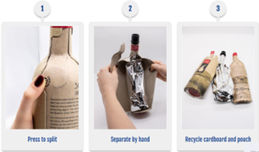
To genuinely dry out greenwashing practices, companies must:
|
 |
Safeguarding Authentic Sustainability
The path to genuine sustainability is fraught with challenges, primarily due to the prevalent practice of greenwashing. However, with stringent regulatory frameworks, advanced technological aids, and a commitment to transparency, businesses can align their practices with genuine environmental stewardship.