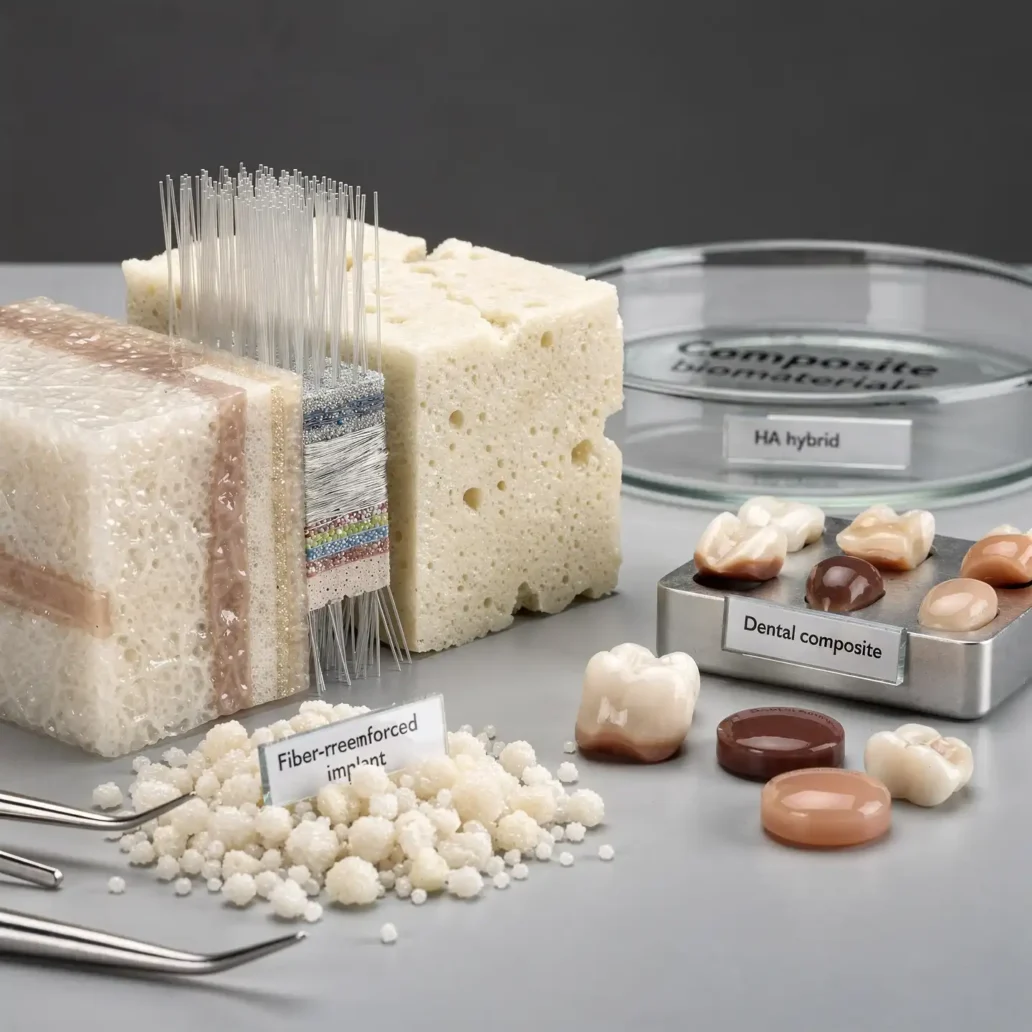


How can your Biomaterial Innovation achieve commercial viability?
The Biomaterials Market Has Crossed $200 Billion. The Real Question Is: Which Innovations Will Actually Scale?
Biomaterials are entering a decisive transition point. What was once a specialized materials discussion inside R&D labs is rapidly becoming a boardroom conversation around commercialization risk, regulatory timing, manufacturing resilience, and long-term competitive positioning.
Across MedTech and Pharma, the landscape is shifting from passive implants toward intelligent, bioactive, and regenerative systems designed to interact dynamically with the human body. Biodegradable polymers, smart hydrogels, magnesium alloys, bioresorbable scaffolds, and sensor-enabled implants are opening entirely new possibilities across orthopedics, drug delivery, wound healing, tissue engineering, and personalized medicine.
But the commercial reality is becoming harder, not easier.
The challenges redefining biomaterial commercialization
- Long-term degradation behavior and immune response uncertainty continue to slow clinical confidence and regulatory readiness.
- Sterilization, shelf-life stability, and manufacturing reproducibility remain major barriers to commercial scale-up.
- Extensive regulatory evidence requirements and prolonged clinical validation are increasing development timelines and portfolio risk.
- Hospitals and payers increasingly expect proof of economic value, sustainability impact, and measurable healthcare outcomes.
- Supply-chain resilience, feedstock availability, and PFAS replacement pressures are becoming strategic business risks rather than operational issues.
At the same time, expectations around biomaterials are evolving rapidly. AI-assisted discovery, personalized biomaterial engineering, digital health integration, and smart therapeutic systems are beginning to reshape how future medical devices may be designed, monitored, and commercialized.
This executive analysis explores
- Why many promising biomaterial innovations fail between laboratory success and scalable commercialization.
- How MedTech and Pharma leaders are rethinking platform technologies, ecosystem partnerships, and regulatory strategy.
- Where next-generation biomaterials are creating underpenetrated commercial opportunities.
- What it will take to build commercially resilient biomaterial pipelines over the next decade.
- How future competitive advantage may shift from material innovation alone toward ecosystem orchestration, manufacturability, and commercialization readiness.
As biomaterials evolve from passive components into intelligent therapeutic platforms, the industry is entering a phase where scalability, evidence, and execution discipline may matter as much as scientific novelty itself.
The next competitive divide may not emerge from who discovers the most advanced material first but from who can industrialize complexity faster, validate value earlier, and translate biomaterial science into durable healthcare advantage.
Evaluating next-generation biomaterials, regenerative platforms, smart implants, or biodegradable medical systems? Connect with the FutureBridge Life Sciences team to discuss how leading organizations are navigating biomaterial commercialization, regulatory complexity, ecosystem partnerships, and long-term innovation strategy.